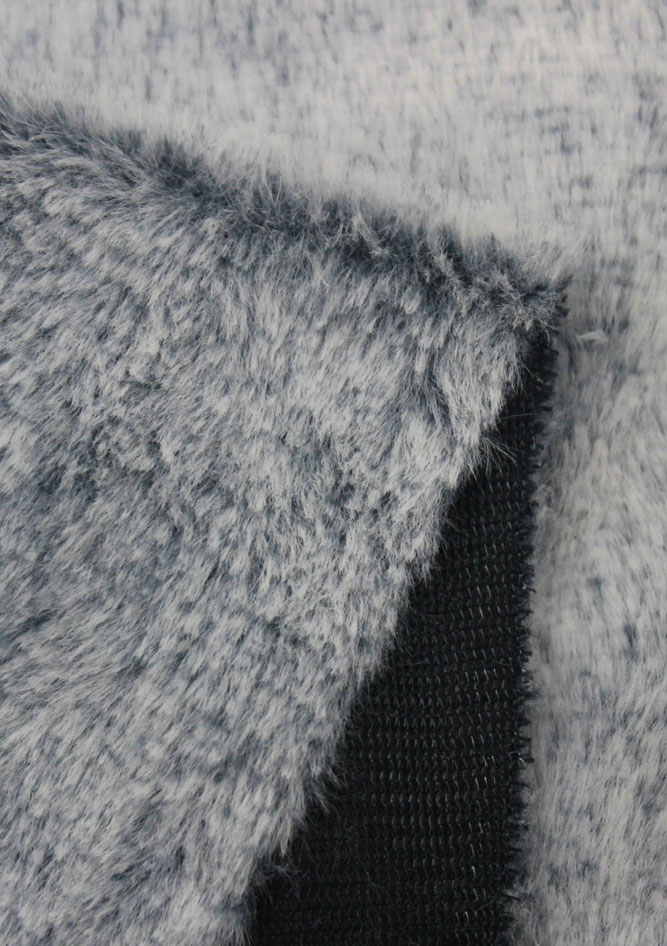
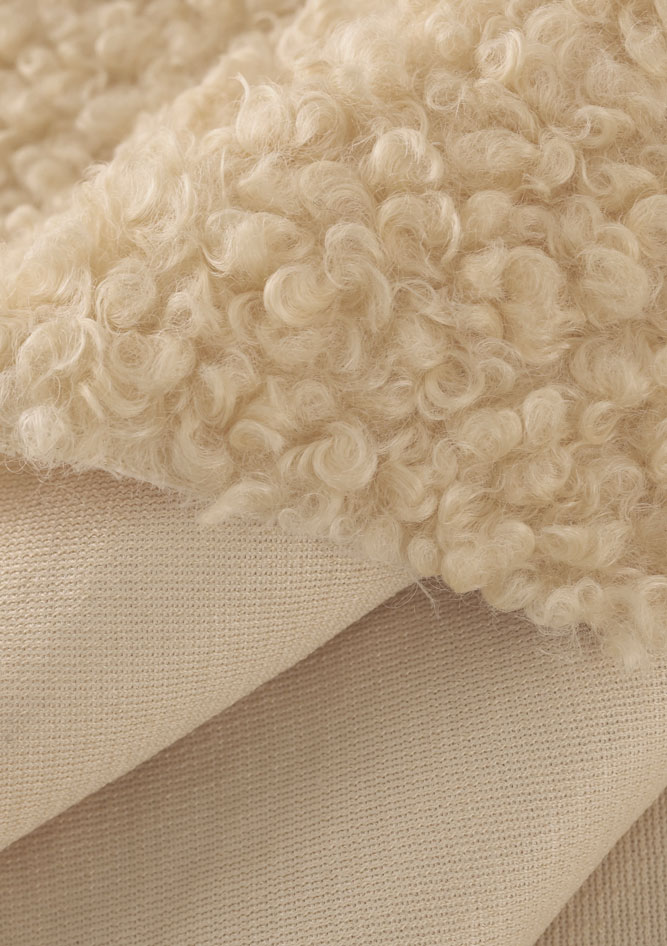
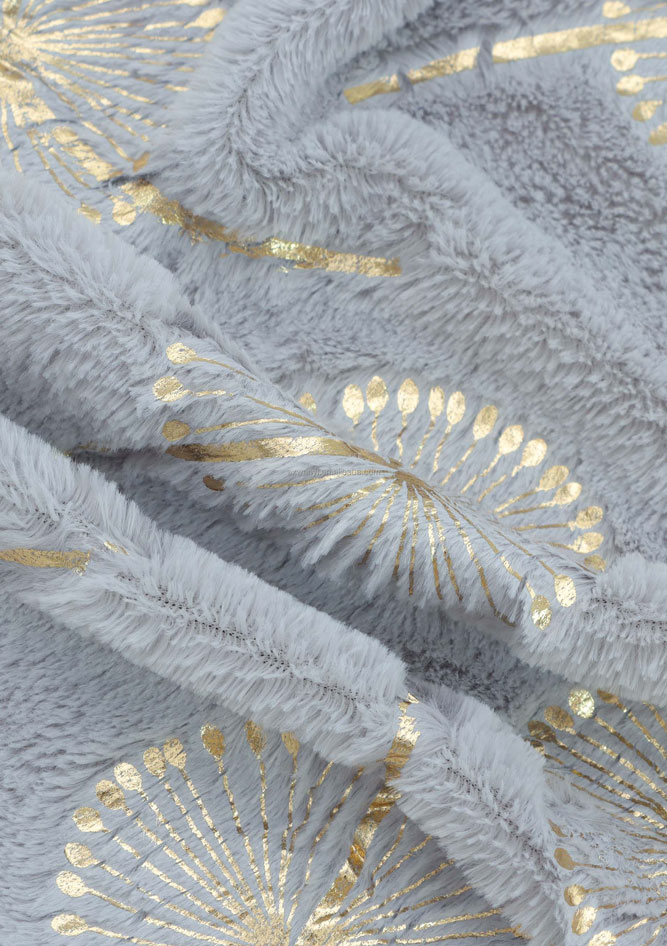
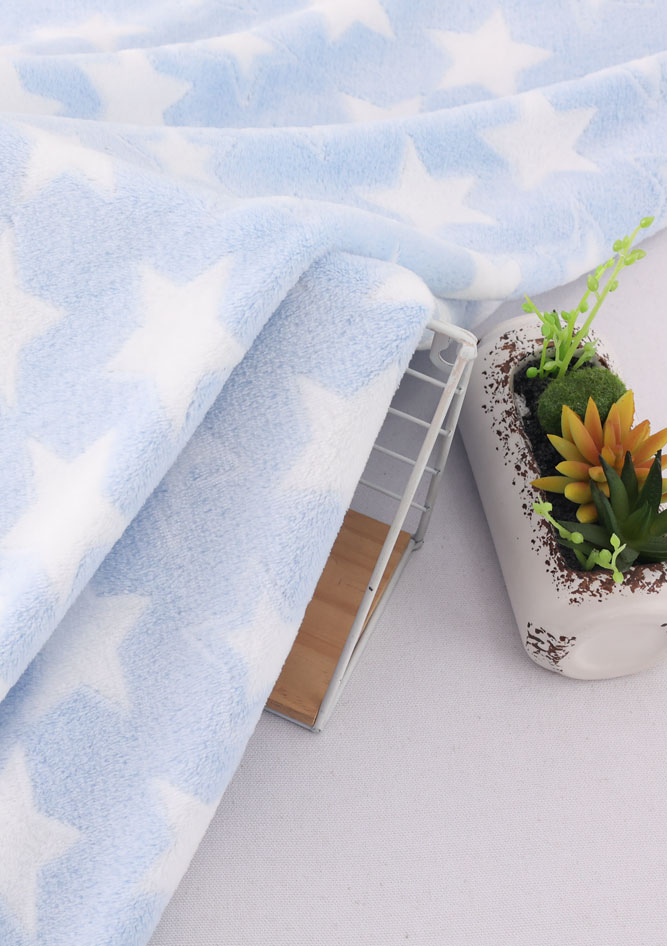
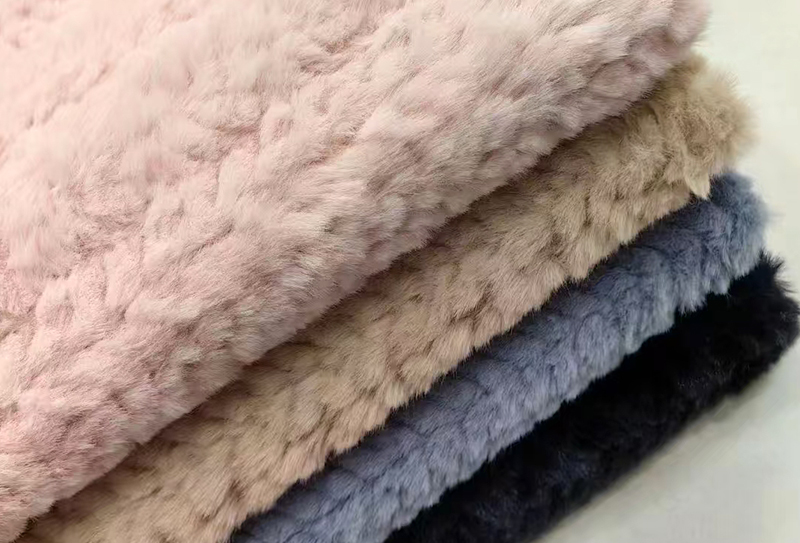
Tkanina z umelej kožušiny z líšky je cenený pre svoju luxusnú, plyšovú textúru, ktorá napodobňuje vzhľad a pocit z prírodnej líščej kožušiny. Tento syntetický materiál si však vyžaduje osobitnú starostlivosť, aby si zachoval svoju charakteristickú mäkkosť a nadýchanosť. Bez správnej údržby sa vlák...
ČÍTAŤ VIAC
Dodávatelia trojrozmernej kefovanej kvetinovej látky
Trojrozmerná tkanina na kvety
O nás
Shaoxing Wanyi Textile Co., Ltd.
Zhejiang Shaoxing Wanyi Textile Technology Co., Ltd je
Čína Dodávatelia trojrozmernej kefovanej kvetinovej látky a
Továreň na veľkoobchodnú trojrozmernú kefovanú kvetinovú látku. Bola založená v roku 2019 a nachádza sa na 1. poschodí zóny 1, Keqiao North Link Market, najväčšieho textilného obchodného centra v Ázii. Od svojho založenia sa spoločnosť zameriava na poskytovanie komplexných riešení pre plyšové látky, pričom sa riadi princípmi cenovej výhody, kvality na prvom mieste, zákazníka na prvom mieste a obojstranne výhodnej situácie, poskytuje zákazníkom najlepšie produkty za najlepšiu trhovú cenu pri zachovaní kvality. Zároveň spoločnosť kladie väčší dôraz na spoločenskú zodpovednosť a udržateľný rozvoj vo svojom obchodnom modeli. Teraz sa vyvinula na komplexný moderný podnik, ktorý integruje dizajn, výrobu a predaj látok. Spoločnosť sa zaoberá plyšovými výrobkami už 16 rokov, hlavne v jednofarebných, PV zamatových, umelej kožušine, fólii, výšivke, kefovaní a iných procesoch. Špecializujeme sa na dodávky pre zahraničných obchodníkov a v súčasnosti sa zameriavame na trhy v Spojených štátoch, Rusku, Indii a Európe. Starostlivým výberom spolupracujúcich tovární môžeme zlepšiť ich trhovú konkurencieschopnosť pre zákazníkov a získavame mnoho pozitívnych ohlasov od zákazníkov. Našou misiou je poskytnúť platformu na vytváranie hodnoty pre každého zamestnanca a zároveň prispievať k zelenej textilnej technológii. Našou víziou je stať sa svetovou jednotkou vo výrobe plyšových látok. Hodnoty podniku: používať správny spôsob myslenia na konanie dobra.
Správy
-
-
Zoberte si v showroome dve rovnaké námornícke pohovky a budete počuť rovnakú otázku: prečo je cena jednej o 20 percent vyššia? Odpoveď je na štítku vzorkovníka malými písmenami - výkonnostný zamat . Výkonný zamat je navrhnutá poťahová látka, ktorá si zachováva hustú a mäkkú ruku klasického zama...
ČÍTAŤ VIAC -
Pochopenie výraznej textúry a výkonu Plyšová tkanina s veľkými časticami je prvým krokom k jeho výberu pre správnu aplikáciu. Túto tkaninu charakterizuje mohutná, jasne definovaná vlasová štruktúra, ktorá sa výrazne líši od jemnejšieho mikroflísu alebo štandardného plyšu. Jednotlivé "častice" alebo chu...
ČÍTAŤ VIAC
Trojrozmerná tkanina na kvety Odborné znalosti v odvetví
Understanding Three-dimensional Brush Flowers Fabric: Materials, Techniques, and Applications
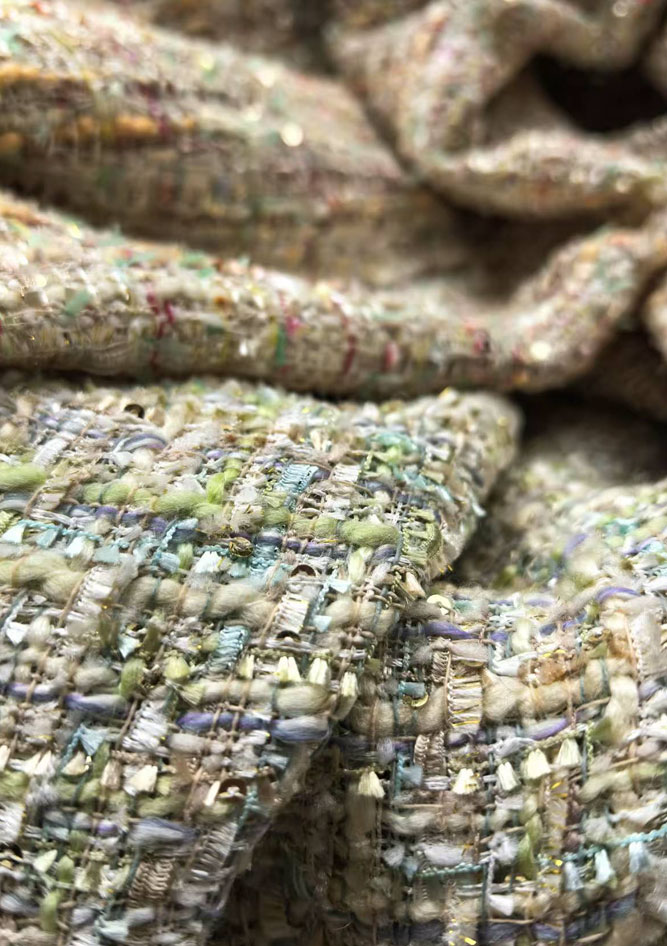
Three-dimensional brush flowers fabric is a decorative textile that combines artistic brushwork patterns with textured, raised floral designs. This fabric is widely used in fashion apparel, home textiles, and accessories due to its aesthetic appeal and tactile quality. The three-dimensional effect is achieved through specialized weaving or brushing techniques, giving the fabric depth and visual interest that flat printed fabrics cannot provide.
Zhejiang Shaoxing Wanyi Textile Technology Co., Ltd, established in 2019 and located on the 1st floor of Zone 1, Keqiao North Link Market—the largest textile trading center in Asia—has extensive experience in producing high-quality plush fabrics. The company has focused on one-stop solutions for plush fabrics, including processes such as plain colors, PV velvet, faux fur, foil, embroidery, and brushing. Their expertise allows them to manufacture three-dimensional brush flowers fabric that meets both aesthetic and functional requirements.
Materials
The primary materials used in three-dimensional brush flowers fabric include:
- Polyester fibers – for durability and vibrant color retention
- Cotton blends – for softness and breathability
- Velvet or plush base fabrics – to enhance texture and depth
- Eco-friendly dyes and finishing agents – for sustainable production
Techniques
Creating the three-dimensional brush flowers effect typically involves:
- Brushing: Raising the surface fibers to create a tactile pattern
- Embroidery or applique: Adding extra layers for depth
- Printing: Using brush-style prints that align with the raised textures
- Heat-setting: Stabilizing the 3D patterns for durability
Applications
Three-dimensional brush flowers fabric is highly versatile, commonly applied in:
- Fashion apparel: dresses, jackets, and evening wear
- Home textiles: decorative cushions, throws, and wall hangings
- Accessories: handbags, hats, and scarves
- Specialty products: event decorations and theatrical costumes
Key Advantages
| Feature | Benefit |
|---|---|
| Textured Design | Creates a visually appealing and tactile surface |
| Durable Base Material | Ensures longevity for apparel and home use |
| Color Retention | Maintains vibrancy after repeated washing |
| Versatility | Suitable for fashion, home decor, and accessories |
| Sustainable Production | Aligns with eco-friendly and social responsibility standards |
By leveraging years of experience in plush fabrics, Zhejiang Shaoxing Wanyi Textile Technology Co., Ltd ensures that three-dimensional brush flowers fabrics are produced with high quality, market competitiveness, and sustainable practices. Their mission is to provide value for customers and employees while contributing to green textile technology, aiming to become a leading global manufacturer of plush fabrics.
The Advantages and Challenges of Using Three-dimensional Brush Flowers Fabric in Fashion and Home Textiles
Three-dimensional brush flowers fabric is gaining popularity in both fashion and home textiles due to its unique textured appearance and visual depth. It combines artistic brush-style patterns with raised floral elements, creating a tactile and visually appealing surface. Zhejiang Shaoxing Wanyi Textile Technology Co., Ltd, established in 2019 and located on the 1st floor of Zone 1, Keqiao North Link Market—the largest textile trading center in Asia—has extensive experience in producing high-quality plush fabrics, including three-dimensional brush flowers fabric. The company focuses on one-stop solutions and sustainable production, ensuring both quality and market competitiveness.
Advantages
| Feature | Benefit |
|---|---|
| Visual Appeal | Creates a sophisticated and artistic look in garments and home décor items |
| Textured Surface | Provides tactile interest, enhancing the sensory experience |
| Versatility | Suitable for fashion apparel, decorative cushions, throws, and accessories |
| Durable Materials | Ensures long-lasting performance even in high-use applications |
| Customization | Supports various patterns, colors, and textures to meet market trends |
Challenges
| Challenge | Explanation |
|---|---|
| Production Complexity | Creating 3D patterns requires skilled craftsmanship and precise techniques |
| Cost | Specialized processes and materials can increase manufacturing costs |
| Maintenance | Cleaning and care may be more demanding compared to flat fabrics |
| Consistency | Ensuring uniform texture and pattern across large production batches can be challenging |
| Market Awareness | Educating customers about the value and care of 3D fabrics may be needed |
Kontaktujte nás
 1027, poschodie 1, zóna 1, Beilian Market, China Textile City, Keqiao District, Shaoxing City, Zhejiang Province, Čína
 +86-159 8821 9333

Autorské práva © Shaoxing Wanyi Textile Co., Ltd. Všetky práva vyhradené
Dodávatelia veľkoobchodnej trojrozmernej kefovanej kvetinovej látky
